
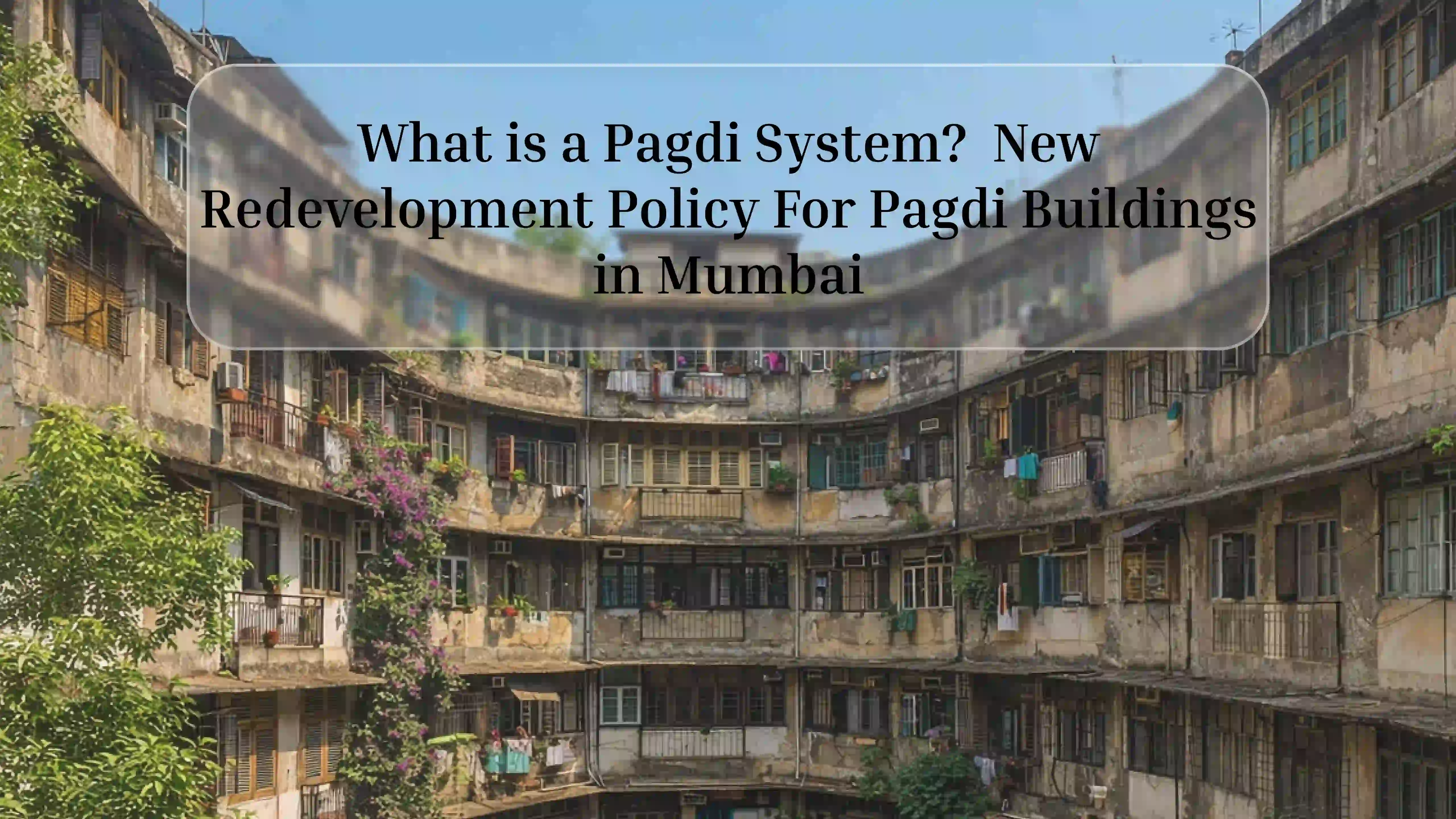
The Maharashtra government is planning an update to Mumbai’s long-standing pagdi housing structure with quicker redevelopment to solve the issues around dangerous buildings as well as the long history of issues between tenants and landlords.
The pagdi system has silently influenced the housing structure of the city for a long time, especially in the older neighborhoods. The administration has recently stated that it is time to alter this structure after years of deliberations and obstacles to reconstruction.
As pagdi constructions become more uncommon, the new regulatory framework developed by Deputy Chief Minister Eknath Shinde will serve to expedite their growth and provide a regulated approach for their future development. "This is a historic step in preventing serious accidents from building collapses, preserving public safety, and unblocking development of pagdi properties that have been dormant for a long time," the Deputy Chief Minister said.
So what is the pagdi system? What has caused such confusion and has caused substantial problems for the residents of Mumbai?
What is the pagdi system?
Before India gained its freedom, tenancy payments were given by landlords to tenants who wished to rent a house under a traditional rent structure known as the pagdi system. When a tenant moves into a landlord's property, they must pay the landlord a sizable amount of money, known as pagdi, before they may move in. In return, the tenant usually pays a very cheap monthly rent and has the right to occupy the space for the duration of the tenant's life.
Pagdi tenants have some rights that are similar to property owners, unlike other normal tenants. For example, it is customary for pagdi tenants to sublet the property or sell the tenancy rights, with a portion of the proceeds typically being paid to the landlord. The pagdi system has created a unique grey area where tenants may not have total property ownership, but landlords do not have complete authority over the property.
The pagdi system is considered antiquated; however, it is still recognized under the Rent Control Act as a valid tenancy system in the state of Maharashtra.
How did the pagdi system come into existence in Mumbai?
As per the state government, Mumbai has about 19,000 buildings that operate under a "pagdi" type of renting arrangement. Most of the buildings were constructed before 1960, and many are showing signs of a deterioration in terms of structural integrity. Buildings have undergone redevelopment, but a significant number of these buildings have yet to be redeveloped.
Some of these older buildings have deteriorated in condition to the point where they've either fallen apart or have fallen down altogether, in particular during monsoon season, and this puts tenants of those buildings at risk of serious injury.
Why redevelopment of pagdi buildings has been so difficult
Tenants and landlords are unavoidably at opposites, which leads to deep divisions between the two groups. Rent control is one of the main points of disagreement. Tenants under rent control pay extremely low rent and worry about losing their houses or not having enough space once new projects are finished. Furthermore, most of these renters worry that new construction will either reduce their living space or alter the legal status of their residence or residences.
Additionally, landlords contend that the rental prices that tenants pay are too low to allow them to properly maintain or repair the building, much less redevelop it. Landlords are also required to rehabilitate the existing tenants while redeveloping the property and are not given what they consider to be reasonable compensation for their property and ownership rights.
Due to this ongoing conflict, there are many court cases. Government data show that there are approximately 28,000 pending cases related to pagdi buildings at small-cause courts, which will likely continue to keep redevelopment stalled for decades.
Why the government wants reform in pagdi system
Shinde said the existing system no longer reflects the realities of Mumbai’s ageing housing stock. Unsafe buildings, delayed redevelopment, and frequent legal battles have made reform unavoidable.
The new framework aims to offer a clearer and more balanced approach. While existing redevelopment options under regulations such as 33(7) and 33(9) will continue, the government plans to introduce an additional route for buildings that have failed to benefit from earlier policies.